
The Top 5 Challenges Manufacturers Face With Bulk Salt Storage
While sourcing bulk salt is one thing, storing it is an entirely different challenge. Ask any plant manager or operations lead who’s ever dealt with an overflowing salt bin, corrosion damage, or a mid-winter delivery disaster. They’ll tell you that bulk salt storage is a bigger pain than it looks on paper.
This blog explores the top five challenges manufacturers face when storing bulk salt, highlighting common logistical, safety, and operational pitfalls. If your current setup includes massive storage silos or in-house loading bays, or you’re considering upgrading your salt supply system, you’ll want to read this before placing your next order.
The Real Costs of Storing Bulk Salt
Before we break down the top pain points, it’s important to understand why bulk salt storage has become such a touchy topic in industrial environments. While buying salt in large quantities can feel like a cost-saving move, the storage side of the equation brings:
- Maintenance headaches
- Operational delays
- Environmental exposure risks
- Significant manual labor requirements
- Higher-than-expected costs in the long run
In some cases, the salt itself ends up wasted or contaminated, completely defeating the purpose of bulk ordering in the first place. So, what’s really going on?
Common Questions About Bulk Salt Storage in Manufacturing
These five questions form the core of the biggest frustrations manufacturers have with bulk salt storage. Let’s take a closer look at each one.
1. Why Is Storing Bulk Salt Such a Challenge for Manufacturing Industry Facilities?
While bulk salt may arrive in 25-ton increments, many facilities aren’t set up to handle that volume efficiently. Storing that much material means dedicating space to large bins or silos, often in or near high-traffic areas like loading docks or maintenance rooms. Challenges include:
- Space constraints that limit placement flexibility
- Spillage during transfers, which creates safety and housekeeping issues
- Dust clouds during manual dumping
- Overflow risks if deliveries are miscalculated
Let’s not forget the real-world issue of managing that inventory. Without automated tracking, it’s easy to overorder or let levels dip too low, both of which can hurt productivity.
2. How Does Salt Storage Impact Production Uptime?
Here’s the hard truth: things grind to a halt fast when your water softener runs out of salt. Scale starts forming in heat exchangers, boiler efficiency drops, and high-mineral water begins damaging pipes and valves. Poorly managed salt storage can cause:
- Delayed replenishment if no one notices the tank is low
- Blocked access to salt when bins are improperly staged or equipment is parked in the way
- Salt bridging (a solid crust that prevents salt from reaching the bottom of the bin)
- Manual filling errors, which lead to either overflows or underfilling
Even if your salt is technically “on-site,” getting it into the softener at the right time is often harder.
3. What Are the Risks of Poor Storage Conditions?
Salt is naturally hygroscopic, meaning it draws moisture from the surrounding air. When stored improperly, this leads to clumping, degradation, and contaminated products that may clog or damage equipment. Common storage risks include:
- Corrosion of metal structures and nearby equipment
- Water leaks into unsealed bins during storms
- Compromised salt quality, reducing softening effectiveness
- Increased dust and mess, especially in poorly ventilated areas
These problems compound quickly and often require costly cleanups or equipment repairs. Salt may be inexpensive by the pound, but bad storage habits can turn it into one of your most expensive maintenance issues.
4. Are There Better Alternatives to Bulk Salt Bins?
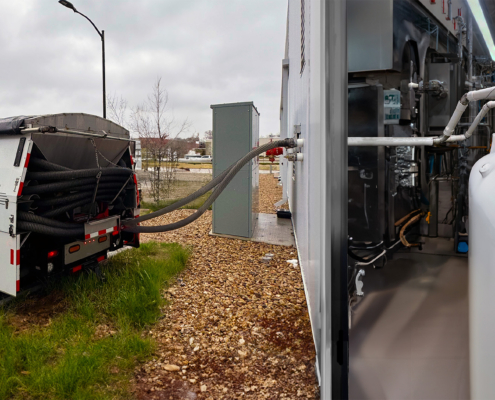
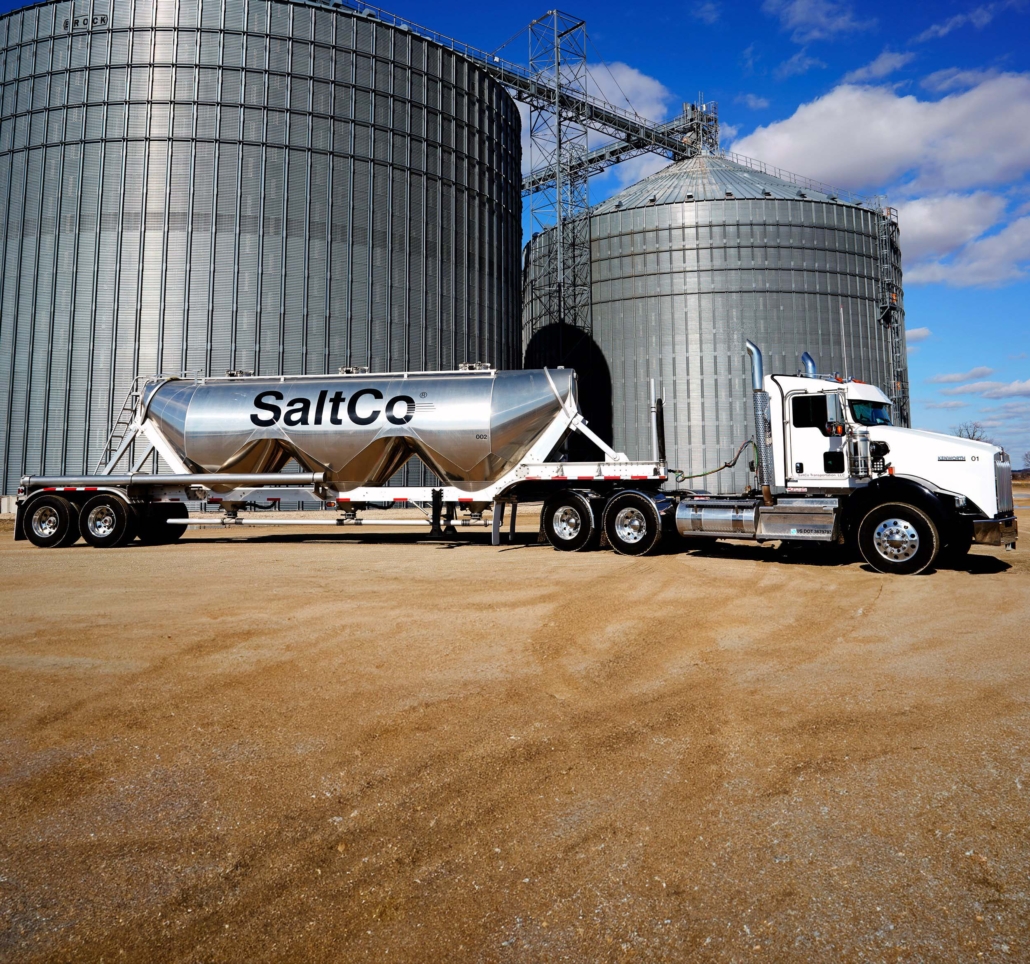
Absolutely. While traditional bulk salt bins and silos remain common, they’re not your only option. More manufacturers are turning to automated salt delivery systems, like SaltCo’s Jet Powered Salt Delivery, to sidestep the storage issue entirely. This salt delivery system eliminates the need for on-site bulk storage by:
- Installing a direct-fill line from the outside of your building to your brine tank
- Monitoring salt levels via 24/7 cellular-connected sensors
- Delivering salt in small, regular increments (500 lbs instead of 25 tons)
- Triggering automatic refills when the tank hits your preferred level
This on-demand model replaces clunky storage systems with a seamless, dust-free, monitored solution that is better suited to modern manufacturing environments.
5. What Kind of Maintenance Do Bulk Salt Storage Systems Require?
This is where many facility managers run into trouble. Even when bins or silos are built to spec, they still require:
- Regular cleaning to remove caked or clumped salt
- Moisture inspections, especially in humid climates or seasons
- Preventative repairs to prevent corrosion of nearby surfaces
- Spill management plans, in case of leaks or misloads
Compare that to an automated delivery setup, where the only maintenance needed is an occasional brine tank inspection. It becomes clear how much time and labor are tied up in bulk salt storage systems.
Say goodbye to storage headaches, overflowing bins, and back-breaking salt transfers. SaltCo’s automated, bulk salt delivery services give your team freedom from salt-related stress.
Hidden Costs of Bulk Salt Storage
Beyond the obvious space and cleanliness challenges, there are some less visible consequences to consider.
- Labor Inefficiencies: Manual unloading, spreading, and transfer of salt into systems pulls valuable time from your team, often multiple employees per delivery.
- Safety Liability: Every 50-pound salt bag lifted is another potential workers’ comp claim. Add slip hazards from spillage, and you’re suddenly looking at high-risk handling.
- Inventory Uncertainty: Without real-time monitoring, you may discover too late that your tank is running low, or worse, that your bulk bin was contaminated, making your next batch unusable.
The Operational Impact of Downtime, Delays, and Resource Drain
When salt-related failures happen, they impact the water softener and ripple through your entire operation:
- Product quality drops when scaling interferes with heat or flow systems
- Utility bills spike due to inefficient boiler operation
- Sanitation compliance may be compromised (especially in food or pharma)
- Production lines pause while equipment is cleaned, repaired, or requalified
Who Benefits Most From Smarter Salt Systems?
SaltCo works with a wide range of manufacturers who face these exact storage pain points. Our solution is ideal for:
- High-output operations that burn through salt regularly
- Space-constrained facilities where large bins just won’t fit
- Multi-shift environments that require hands-off reliability
- Teams focused on lean operations, safety, and preventive maintenance
SaltCo Is Better Than a Bin
SaltCo’s Jet Powered Salt Delivery provides an all-in-one solution that eliminates the storage struggle completely. It’s designed for manufacturers who want:
- Hands-free deliveries: No more unloading pallets or sweeping up spills
- Automated monitoring: We track your salt levels 24/7, so you don’t have to
- Consistent purity: We deliver 99.8% pure solar salt every time
- Free installation: Including piping, sensors, and system setup
- Less operational burden: We take salt off your team’s to-do list
Eliminate Bulk Storage Stress With SaltCo
Storing bulk salt doesn’t have to be your problem anymore. With SaltCo’s Jet Powered Salt Delivery, you’ll eliminate spillage, reduce manual labor, and cut downtime—all while getting a cleaner, more efficient way to manage your salt supply.
No bins, no guessing, no mess. Just reliable salt when you need it, delivered without ever entering your building. Reach out today and see how SaltCo can simplify one of manufacturing’s most underestimated pain points for good.