How Jet Powered Systems Support Sustainable Salt Delivery
In this blog, we’ll explore how Jet Powered Systems help support sustainable salt delivery in a world that’s constantly looking for ways to reduce its ecological footprint. We’ll touch on what makes this modern approach so effective, from cutting down plastic waste to conserving energy. Whether you’re running a business that depends on water softeners or simply curious about greener ways to do everyday tasks, this guide will help you see salt delivery in a whole new light.
Why Energy-Efficient Salt Delivery Systems Matter
Sustainable salt delivery is often overlooked when we talk about eco-friendly initiatives, yet the impact is substantial. Whether you manage a commercial building, an industrial facility, or a healthcare facility, you rely on a steady salt supply. Traditionally, that involves bagged salt being transported, carried into your building, and dumped into the brine tank. It gets the job done, sure, but it can also generate a surprising amount of waste.
The Hidden Costs of Traditional Deliveries
- Excess Plastic Bags: Each bag of salt usually comes in single-use plastic packaging. Multiply that by however many bags you need each year, and you’ve got a mountain of plastic ending up in landfills.
- Manual Labor & Safety: Traditional deliveries require people to haul heavy bags, which can lead to potential injuries or time lost on other, more critical tasks.
- Vehicle Emissions: The repeated trips from the delivery truck to your brine tank can add up in terms of fuel consumption and carbon emissions, especially if your vendor needs frequent visits because supply levels aren’t accurately monitored.
The Jet Powered Difference
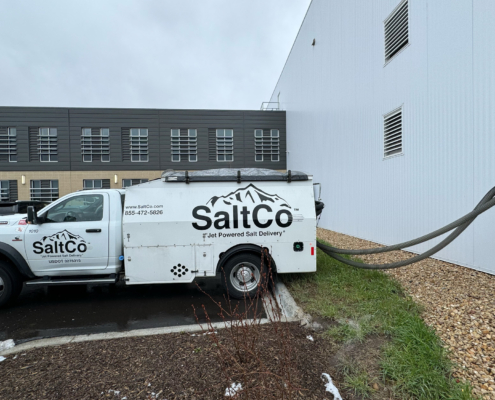
Jet Powered Salt Delivery flips the traditional process on its head. Rather than unloading tons of bagged salt and carrying them inside, a specialized system pumps salt directly from a truck into your brine tank—often through an exterior wall connection. This method is fully automated, meaning zero building entry, zero dust, and significantly less waste.
How Jet Powered Water Softener Salt Delivery Works
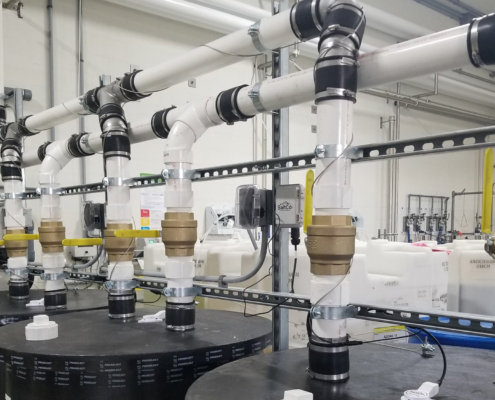
- Exterior Piping: SaltCo, for example, installs pipes that run from an exterior wall directly to your brine tank.
- Cellular Monitoring: Sensors, connected via a cellular network, constantly measure your salt levels. There’s no need for Wi-Fi, and you don’t have to rely on spot checks or guesswork.
- Automatic Scheduling: When your tank hits about 30% capacity, the system broadcasts the data back to secure servers, triggering a delivery.
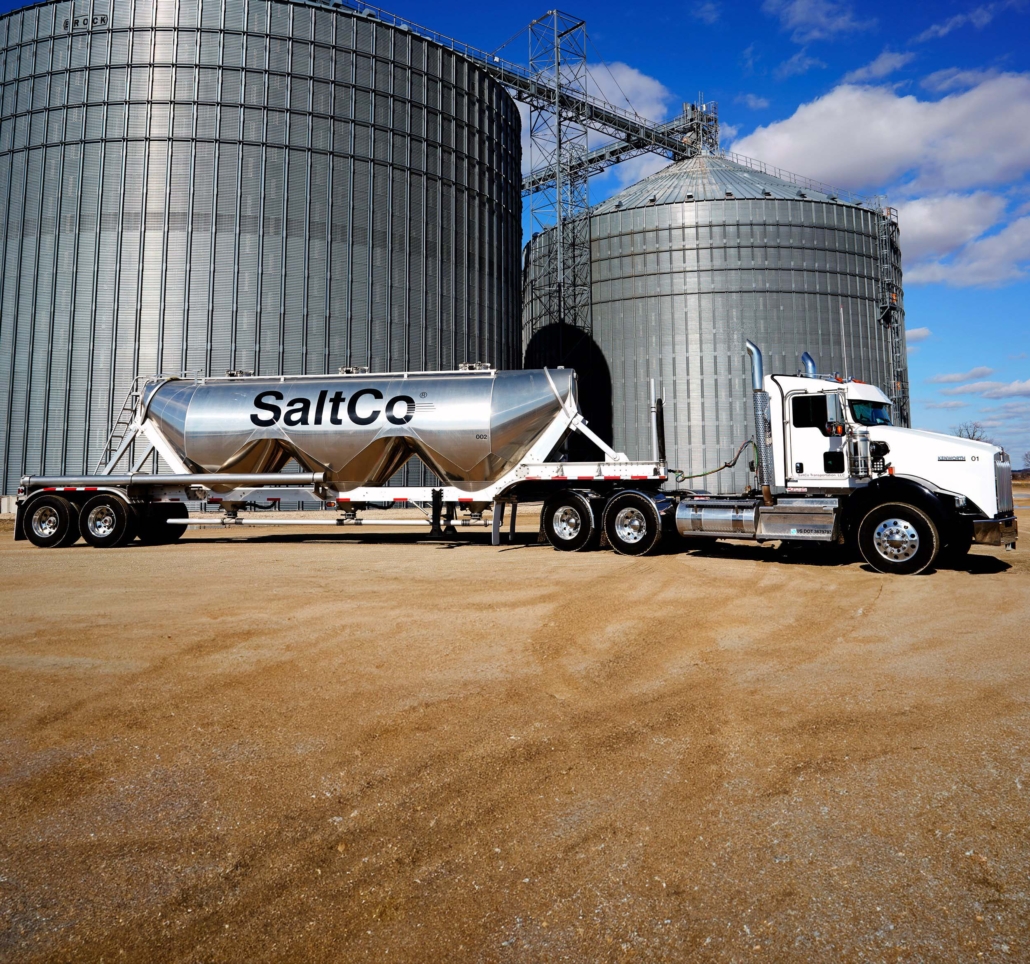
- Dust-Free Delivery: The truck connects to your exterior port, and the salt is “jetted” in through a closed-loop system with filters, reducing or eliminating airborne dust.
How Does Jet Powered Salt Delivery Contribute to Sustainability?
So, we know that high-tech is convenient, but how exactly is it more sustainable? Let’s look into a few key areas:
Reducing Plastic Waste
If you’ve ever been on bag-emptying duty, you know how quickly those single-use plastic bags can pile up. Every bag you open ends up in the trash, and eventually, in a landfill. That’s why SaltCo’s Jet Powered Delivery model is such a game-changer: by delivering salt in bulk, you eliminate the need for thousands of bags each year.
- 4,394,450 and Counting: SaltCo alone has saved well over four million plastic bags from ending up in landfills. That’s a staggering number, and it only keeps growing.
- Eco-Friendly Commitment: By choosing a bag-free system, you immediately cut down on your facility’s overall waste output. This is an easy, practical step that benefits the environment.
Energy Efficiency
Traditional salt delivery often requires multiple trips inside the building—unloading, moving, opening, and dumping bags. All that extra handling can waste not just energy, but time. With a Jet Powered approach:
- Fewer Trips, Less Fuel: Deliveries happen at optimal intervals, thanks to 24/7 sensor monitoring. That means fewer emergency runs and more efficient routes for delivery trucks.
- Minimal Movement: Because there’s no manual carrying of bags, the entire process is more streamlined. Reducing unnecessary labor also contributes to the overall energy savings.
Improved Air Quality and Less Dust
A cloud of salt dust might not seem like a big deal, but it can degrade air quality inside your facility. This dust isn’t just annoying; excess inhalation can be harmful, especially if your employees or tenants have respiratory sensitivities. Sustainable salt delivery addresses this issue with a closed-loop and filters on the trucks, keeping dust out of your air and cutting back on the need for extra cleaning or protective measures.
Switch to SaltCo’s Jet Powered Salt Delivery system for a dust-free, automated experience. Save time, cut costs, and go green with every delivery.
The Environmental Impacts of Traditional Delivery
We’ve touched briefly on plastic usage, but the environmental downsides of old-school deliveries go even further. It’s not just about hauling bags; it’s about the entire system that supports a frequent, sometimes erratic, delivery schedule. Working with a provider like SaltCo can eliminate thousands of bags of waste in landfills every single month!
Over-Ordering and Waste
When you’re worried about running out of salt, you might stock up on more bags than you actually need, which can lead to excess salt sitting around. Eventually, some of that may go unused or, in worst-case scenarios, degrade if not stored correctly. Over-ordering is a waste of resources and money.
Carbon Footprint of Multiple Trips
Traditional deliveries often lack precise, data-driven scheduling. Companies may err on the side of caution and send trucks more often, just to ensure you don’t run out. That means more trips and more emissions, which directly impacts air quality and contributes to climate change.
Safety Hazards
Spreading salt around manually can lead to spills. While a bit of salt on the floor might not seem dire, it can pose slip risks to workers, and repeated exposure can irritate skin or eyes. These issues may not scream “environmental impact,” but they do affect the health and well-being of people on-site—part of the broader sustainability conversation.
Sustainable Logistics: The Key to Energy Efficiency
There’s a difference between direct energy use (the fuel consumed by delivery vehicles) and indirect energy use (the labor, resources, and infrastructure that go into repeated manual deliveries). Both are reduced or streamlined by Jet Powered Delivery.
Route Optimization and Smart Scheduling
Ever notice how sometimes you’ll get a delivery truck that arrives with only a handful of bags because someone underestimated the salt usage? That’s an inefficient use of time and fuel. With automated monitoring:
- Real-Time Data: Your salt provider knows exactly how much you need and when you’ll need it.
- Consolidated Deliveries: By combining multiple deliveries based on real-time sensor data, the delivery truck’s route can be optimized, reducing fuel consumption.
Fewer Equipment Strains
Manual handling of heavy salt bags can lead to equipment wear and tear (like forklifts, pallet jacks, or even personal vehicles if smaller businesses are buying and hauling salt themselves). Over time, this equipment usage carries a carbon footprint. Automated delivery eliminates a portion of that strain, extending the life of your machinery and saving resources down the line.
Partner With SaltCo for Industry-Leading Sustainable Salt Delivery Solutions
Ready to eliminate plastic waste, simplify deliveries, and reduce your environmental footprint? SaltCo’s Jet Powered Salt Delivery offers a fully automated, dust-free solution that takes the guesswork out of salt management. From 24/7 sensor monitoring to rapid, hassle-free deliveries, we’re committed to revolutionizing how you power your water softening systems. Join our growing community of 7,000+ satisfied customers across seven states who trust SaltCo to handle their salt needs responsibly.